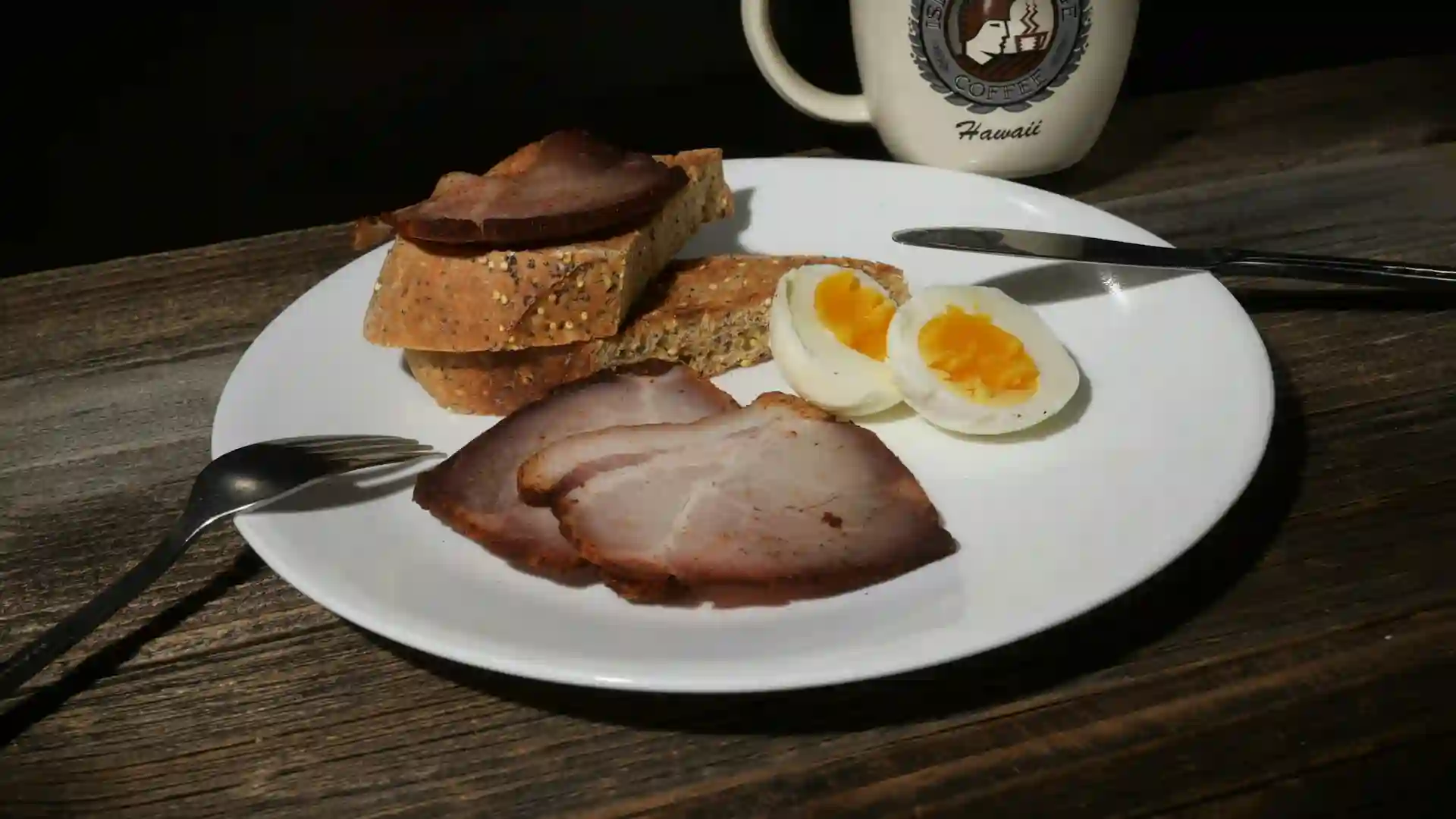
Losing visceral fat is one of the most important goals for better health. This type of fat sits deep around your organs and can increase the risk of heart disease, diabetes, and inflammation. The good news is that you don’t need complicated diets or long cooking routines to reduce it. This 3 step dinner meal plan is designed to be simple, healthy, and realistic for busy people. Each dinner takes just three basic steps and uses clean, filling ingredients that support fat loss.
What Is Visceral Fat and Why Does It Matter?
Visceral fat is the fat stored around your internal organs like the liver, pancreas, and intestines. Unlike surface fat, you can’t always see it, but it affects your health more deeply. High levels of visceral fat may lead to,
- Higher blood sugar levels
- Increased cholesterol
- Hormonal imbalance
- Low energy and fatigue
Reducing it requires a mix of,
- Healthy calorie control
- High protein meals
- Fiber rich foods
- Less processed sugar and refined carbs
That’s where this dinner plan helps.
How 3 Step Dinners Help with Fat Loss
This meal system is built on simplicity.
Step 1: Choose a Lean Protein
Chicken, fish, eggs, tofu, or lentils help keep you full longer.
Step 2: Add Vegetables or Fiber Base
Vegetables help digestion and reduce calorie density.
Step 3: Add Healthy Flavor or Carb
Olive oil, spices, herbs, or small portions of brown rice or quinoa.
This structure keeps meals balanced without overthinking.
7 Day 3 Step Dinner Plan for Visceral Fat Loss
Each dinner is easy, quick, and uses only 3 main steps.
Day 1: Grilled Chicken Veg Bowl
Step 1: Grill chicken breast with salt, pepper, and paprika
Step 2: Add steamed broccoli and carrots
Step 3: Drizzle olive oil + lemon juice
Day 2: Salmon & Spinach Plate
Step 1: Pan sear salmon fillet
Step 2: Sauté spinach with garlic
Step 3: Add quinoa (small portion)
Day 3: Egg Veg Scramble
Step 1: Scramble 2–3 eggs
Step 2: Add onions, tomatoes, and capsicum
Step 3: Top with herbs and black pepper
Day 4: Lentil Power Bowl
Step 1: Cook boiled lentils (masoor or moong)
Step 2: Add cucumber, tomato, and onion salad
Step 3: Add lemon + olive oil dressing
Day 5: Chicken Stir Fry
Step 1: Stir fry chicken strips
Step 2: Add mixed vegetables (beans, carrots, cabbage)
Step 3: Add soy sauce (light) + garlic
Day 6: Tuna Salad Bowl
Step 1: Use canned tuna in water
Step 2: Mix with lettuce, cucumber, and corn
Step 3: Add olive oil + lemon dressing
Day 7: Vegetable Soup with Protein
Step 1: Boil mixed vegetables (carrot, celery, beans)
Step 2: Add shredded chicken or lentils
Step 3: Season with herbs and black pepper
Weekly Shopping List
Proteins
- Chicken breast
- Salmon or fish fillets
- Eggs
- Tuna (canned in water)
- Lentils (masoor, moong)
Vegetables
- Spinach
- Broccoli
- Carrots
- Tomatoes
- Cucumbers
- Capsicum
- Onions
- Cabbage
- Beans
- Celery
Healthy Carbs
- Quinoa
- Brown rice
- Corn (small amount)
Healthy Fats & Extras
- Olive oil
- Lemons
- Garlic
- Herbs (parsley, coriander)
- Black pepper
- Salt
- Soy sauce (low sodium)
Tips to Maximize Visceral Fat Loss
To get better results from this meal plan, follow these simple habits,
1. Control Portions
Even healthy food can cause weight gain if overeaten.
2. Avoid Sugary Drinks
Cut soda, packaged juices, and sweetened tea.
3. Stay Active
Even 30 minutes of walking daily helps reduce visceral fat.
4. Drink Water
Aim for 8–10 glasses daily to improve metabolism.
5. Sleep Well
Poor sleep increases fat storage hormones.
Why This Plan Works
This 3 step dinner system works because it,
- Keeps meals simple and repeatable
- Focuses on high protein intake
- Includes fiber rich vegetables
- Reduces processed food intake
- Helps control calorie intake naturally
It’s not a crash diet it’s a lifestyle friendly eating structure.
You don’t need complicated diets to reduce visceral fat. You just need consistency, balanced meals, and simple cooking habits. These 3 step dinners make it easier to stay on track without stress. If you follow this weekly plan and combine it with light activity, you’ll support better fat loss, improved energy, and long term health.