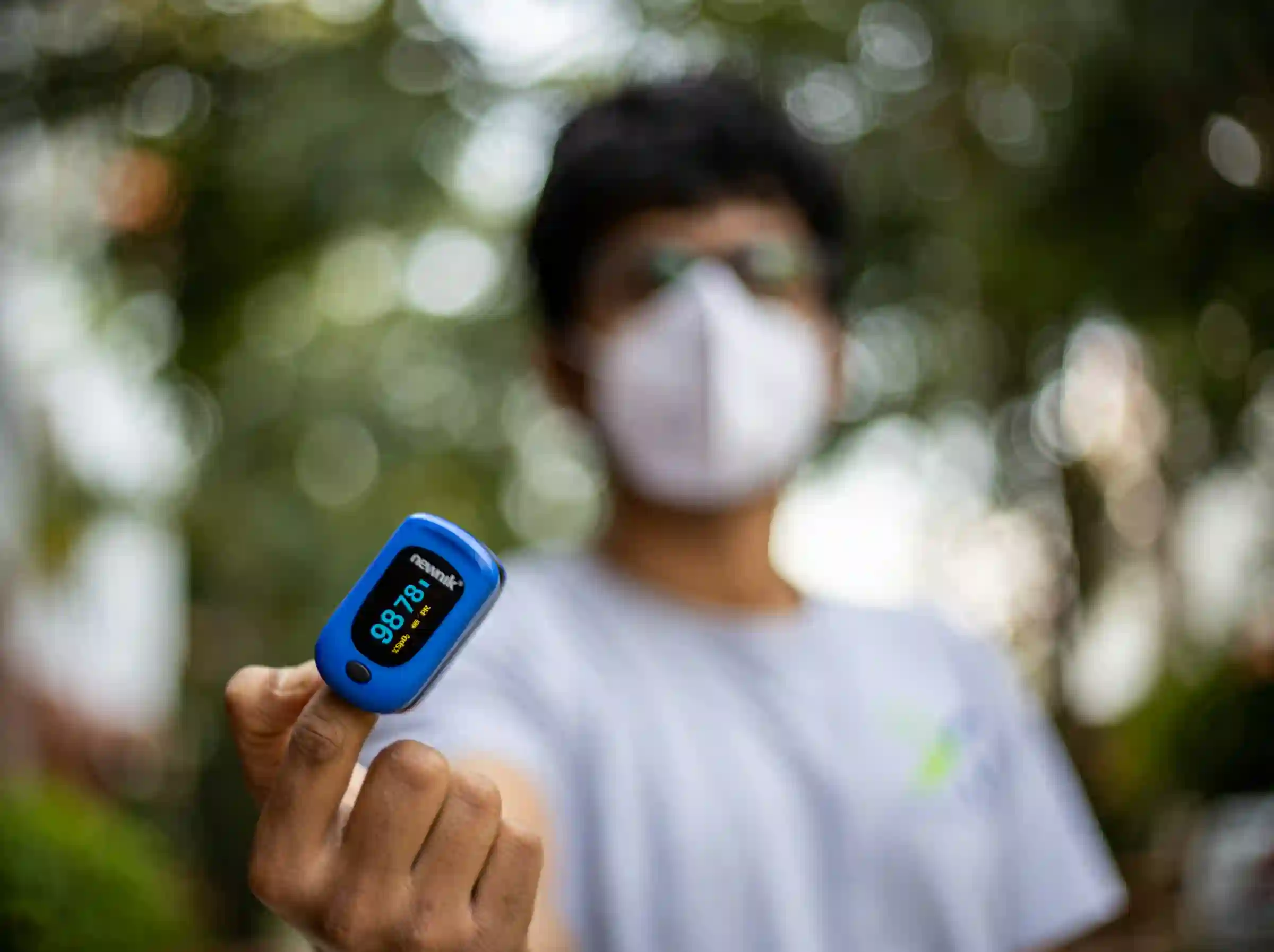
Your Complete Guide to Monitoring Oxygen Levels at Home
Monitoring your health at home has become more important than ever, especially for oxygen levels. An oximeter is a small, easy to use device that helps track your blood oxygen levels and heart rate. Whether you are managing a health condition, recovering from an illness, or just want peace of mind, a pulse oximeter can be a lifesaver.
What is an Oximeter?
An oximeter device is a non invasive tool that measures the oxygen saturation in your blood. It provides quick readings of SpO2 levels and pulse rate. This makes it useful for adults, children, and patients with respiratory or heart conditions.
There are different kinds of oximeters, including:
- Fingertip oximeter: Small, portable, and clips on your finger.
- Digital oximeter: Shows clear digital readings on a screen.
- Portable oximeter: Easy to carry, great for travel and outdoor use.
Why Use a Pulse Oximeter at Home
Using a blood oxygen monitor at home can help you detect early signs of low oxygen levels and is essential for health monitoring. Using a reliable oximeter device at home is essential for health monitoring and tracking important metrics like blood pressure.
Using a reliable oximeter device at home is essential for tracking health metrics, along with other tools like calorie and nutrition trackers. Using a reliable oximeter device at home is essential to monitor oxygen levels and track your health, alongside tools like BMI calculators.
- Detect early signs of low oxygen levels.
- Monitor respiratory conditions like asthma or COPD.
- Keep track of your heart rate.
- Monitor health during COVID-19 recovery.
- Ensure safe oxygen levels during exercise or high altitude travel.
A pulse ox meter is particularly useful for adults and kids alike, providing quick readings without any pain or discomfort.
Types of Oximeters
1. Fingertip Oximeter
The fingertip oximeter is the most common type. It is small, easy to use, and gives fast results. Simply clip it on your finger, wait a few seconds, and check your oxygen level monitor and pulse rate.
Pros:
- Lightweight and portable
- Affordable and widely available
- Easy to use for adults and kids
Cons:
- May not work well with nail polish or cold fingers
- Limited to finger use only
2. Digital Oximeter
A digital oximeter provides clear numbers on an LED or LCD screen. Many modern devices also store readings for tracking trends over time.
Pros:
- Easy to read display
- Accurate oximeter readings
- Some models include alarms for low oxygen levels
Cons:
- Slightly higher price than basic fingertip oximeters
- Requires battery replacement
3. Portable Oximeter
A portable oximeter is designed for travel. It is small enough to fit in a bag or pocket. These devices are perfect for hikers, athletes, or frequent travelers.
Pros:
- Compact and lightweight
- Long battery life
- Durable for outdoor use
Cons:
- Smaller screens may be harder to read
- May have fewer advanced features
Features to Look for in the Best Oximeter for Home
When buying an oximeter for health monitoring, consider these features:
- Accuracy: Look for an accurate oximeter to ensure reliable readings.
- Display: Clear, bright screens are easier to read, especially for seniors.
- Size: Choose a device suitable for adults or kids. Some devices come in both sizes.
- Portability: A portable oximeter is ideal for home and travel use.
- Battery Life: Long battery life reduces frequent replacements.
- Additional Functions: Some models also monitor heart rate, provide trend tracking, or have alarms for low SpO2.
How to Use a Pulse Oximeter
Using a pulse oximeter is particularly useful for adults and kids alike, providing quick readings of oxygen levels and heart rate.
- Wash your hands and remove nail polish.
- Turn on the oximeter device.
- Place your finger in the device clip.
- Wait for the reading to stabilize.
- Check your oxygen saturation monitor and pulse rate.
Tips for accurate readings:
- Keep your hand still while measuring.
- Avoid cold fingers, as this can affect accuracy.
- Measure at the same time each day for trend tracking.
Oximeter for Adults vs. Kids
Oximeters are designed for different age groups:
- Oximeter for adults: Usually fits the average adult finger. Suitable for daily health monitoring, respiratory illnesses, or COVID-19 recovery.
- Oximeter for kids: Smaller devices designed for smaller fingers. Helpful for children with asthma, flu, or other respiratory issues.
Always check the product description to ensure the correct fit for the intended user.
Oximeter for COVID-19 Monitoring
During the COVID-19 pandemic, monitoring oxygen levels at home became essential. A cheap oximeter online can help detect silent hypoxia, a condition where oxygen levels drop without obvious symptoms.
Tips for COVID-19 patients:
- Monitor oxygen levels 2–3 times a day.
- Contact a doctor if SpO2 falls below 94%.
- Track readings along with symptoms like fever or shortness of breath.
Comparing Oximeter Prices
Oximeter price varies based on type, features, and brand.
- Basic fingertip oximeter: Affordable and widely available.
- Digital or advanced models: Higher price but include extra features like trend tracking and alarms.
- Portable oximeter: Slightly more expensive due to compact design and durability.
Buying online can often provide the best deals, making it easy to get a cheap oximeter online without sacrificing quality.
Benefits of Owning an Oximeter
Having an oximeter device at home offers many advantages, including peace of mind, quick detection of low oxygen levels, and overall health tracking.
- Peace of mind for you and your family.
- Quick detection of low oxygen levels.
- Helps manage chronic conditions like asthma, COPD, or heart issues.
- Useful for athletes and outdoor enthusiasts.
- Tracks health trends over time for better medical guidance.
Tips for Maintaining Your Oximeter
- Keep it clean and dry.
- Replace batteries as needed.
- Store in a cool, dry place.
- Avoid dropping the device.
- Regularly check accuracy against a medical grade monitor if possible.
Conclusion
A pulse oximeter is an essential tool for modern home health monitoring. Whether you need an oximeter for adults, a device for your child, or a portable oximeter for travel, there is a model for everyone. By choosing an accurate oximeter and learning how to use it properly, you can monitor your oxygen levels, heart rate, and overall health effectively.
From fingertip oximeters to advanced digital devices, these tools provide peace of mind and help you take control of your health. Investing in the best oximeter for home ensures safety, convenience, and reliable readings whenever you need them.